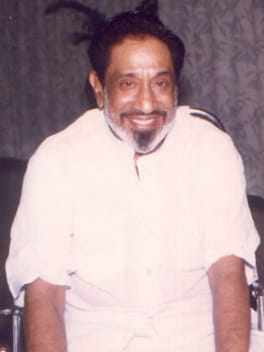
Photo: Mohan V Raman / CC BY-SA 4.0 (source: Wikimedia Commons)
Sivaji Ganesan was a stage actor, film actor and politician, born on October 1, 1928 in Viluppuram, Viluppuram district, India. Sivaji Ganesan died on July 21, 2001 at the age of 72. Listed accolades include Dadasaheb Phalke Award, NTR National Award, Filmfare Awards South and 2 more.
My Take
Sivaji Ganesan represents the towering, theatrical tradition of Indian cinema that I find endlessly compelling. Born in 1928, he bridged stage and screen and shaped Tamil film for half a century, while also serving as producer and politician. Being called one of India's greatest actors, and the most imitated, is the highest possible compliment, because imitation means an artist defined a language others still speak. The Dadasaheb Phalke Award and Padma Bhushan only formalize what audiences already knew. He passed in 2001, yet his influence clearly outlived him. I wish I could have witnessed that legendary intensity in a packed theatre.
This take was written by generative AI, one per person, from publicly reported facts (editorial policy). It is a reading of the record, not reporting.
1. Profile
- Name (English)
- Sivaji Ganesan
- Name (Japanese)
- シヴァージ・ガネーシャン
- Reading
- しゔぁーじ・がねーしゃん
- Born
- October 1, 1928 – July 21, 2001
- Origin
- Viluppuram, Viluppuram district, India
- Occupation
- stage actor / film actor / politician / film producer / actor
- Zodiac / Chinese zodiac
- Libra / Dragon
2. Background
Awards & achievements
- Dadasaheb Phalke Award
- NTR National Award
- Filmfare Awards South
- Padma Bhushan
- Padma Shri in arts
3. Links
4. About this entry
Tags
- Last updated
Facts are limited to publicly available information up to 2024; non-public or unconfirmed items are omitted. English text is machine-assisted (facts translated by Sonnet, "My Take" written by Opus 4.8). The Japanese page is the source of record.
Frequently asked questions
When was Sivaji Ganesan born?
Sivaji Ganesan was born on October 1, 1928.
When did Sivaji Ganesan die?
Sivaji Ganesan died on July 21, 2001, aged 72.
Where was Sivaji Ganesan from?
Sivaji Ganesan was from Viluppuram, Viluppuram district, India.
What did Sivaji Ganesan do?
Sivaji Ganesan worked as stage actor, film actor, politician, film producer, actor.
Stage actor — see all → · Film actor — see all → · More people from India → · More people born on October 1 →