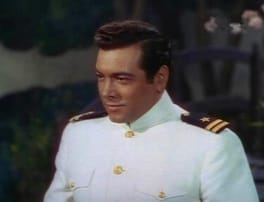
Photo: MGM / Public domain (source: Wikimedia Commons)
Mario Lanza was an opera singer, film actor and recording artist, born on January 31, 1921 in Philadelphia, Pennsylvania, United States. Death is recorded on October 7, 1959, at the age of 38. Mario Lanza studied at South Philadelphia High School. Recorded honors include star on Hollywood Walk of Fame.
My Take
Mario Lanza fascinates me as a collision of two worlds that rarely mix well: grand opera and Hollywood glamour. A working-class kid from South Philadelphia, born Cocozza, who taught himself to chase a tenor's career and was discovered at the Hollywood Bowl, he had a voice that still raises goosebumps decades later. What stays with me is the tragedy of it, gone at just 38, burning bright and brief. He proved a serious singer could be a film star without diluting the art. I respect performers whose recordings outlive every trend, and Lanza is exactly that kind of timeless voice.
This take was written by generative AI, one per person, from publicly reported facts (editorial policy). It is a reading of the record, not reporting.
1. Profile
- Name (English)
- Mario Lanza
- Name (Japanese)
- マリオ・ランツァ
- Reading
- まりお・らんつぁ
- Born
- January 31, 1921 – October 7, 1959
- Origin
- Philadelphia, Pennsylvania, United States
- Occupation
- opera singer / film actor / recording artist / singer / actor
- Zodiac / Chinese zodiac
- Aquarius / Rooster
2. Background
- High school
- South Philadelphia High School
Awards & achievements
- star on Hollywood Walk of Fame
3. Links
- Official sitehttp://www.lanzalegend.com
- Wikipedia (English)https://en.wikipedia.org/wiki/Mario%20Lanza
- Wikipedia (Japanese)https://ja.wikipedia.org/wiki/%E3%83%9E%E3%83%AA%E3%82%AA%E3%83%BB%E3%83%A9%E3%83%B3%E3%83%84%E3%82%A1
- Wikidatahttps://www.wikidata.org/wiki/Q299331
4. About this entry
Tags
- Last updated
Facts are limited to publicly available information up to 2024; non-public or unconfirmed items are omitted. English text is machine-assisted (facts translated by Sonnet, "My Take" written by Opus 4.8). The Japanese page is the source of record.
Frequently asked questions
When was Mario Lanza born?
Mario Lanza was born on January 31, 1921.
When did Mario Lanza die?
Mario Lanza died on October 7, 1959, aged 38.
Where was Mario Lanza from?
Mario Lanza was from Philadelphia, Pennsylvania, United States.
What did Mario Lanza do?
Mario Lanza worked as opera singer, film actor, recording artist, singer, actor.
Which high school did Mario Lanza attend?
Mario Lanza attended South Philadelphia High School.
Opera singer — see all → · Film actor — see all → · More people from the United States → · More people born on January 31 →