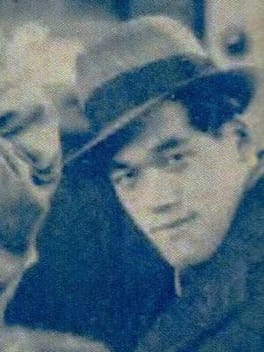
Photo: キネマ旬報社 撮影者不明 / Public domain (source: Wikimedia Commons)
Sadao Yamanaka was listed as a film director and screenwriter. Born on November 8, 1909, Sadao Yamanaka was from Kyoto, Kyoto Prefecture, Japan. Death is recorded on September 17, 1938, at the age of 28.
My Take
Sadao Yamanaka is one of those filmmakers who makes you feel the pure cruelty of history — the guy directed around 24 jidaigeki films before his 29th birthday, and only three of them survive today. What we do have, though, is enough to see how extraordinary he was: a warm, humanist touch that set him apart from the grander, more theatrical period-film tradition of his era. There's something almost unbearably poignant about watching Humanity and Paper Balloons knowing he was drafted into the Second Sino-Japanese War and died in Manchuria just months after finishing it, in September 1938. Twenty-nine years old. The films we lost to that are films we'll never know how to mourn properly. I keep thinking about what a full career from him would have looked like, and I genuinely can't picture it — which might be the best tribute of all.
This take was written by generative AI, one per person, from publicly reported facts (editorial policy). It is a reading of the record, not reporting.
1. Profile
- Name (English)
- Sadao Yamanaka
- Name (Japanese)
- 山中貞雄
- Reading
- やまなか さだお
- Born
- November 8, 1909 – September 17, 1938
- Origin
- Kyoto, Kyoto Prefecture, Japan
- Occupation
- film director / screenwriter
- Zodiac / Chinese zodiac
- Scorpio / Rooster
2. Links
- Wikipedia (English)https://en.wikipedia.org/wiki/Sadao%20Yamanaka
- Wikipedia (Japanese)https://ja.wikipedia.org/wiki/%E5%B1%B1%E4%B8%AD%E8%B2%9E%E9%9B%84
- Wikidatahttps://www.wikidata.org/wiki/Q2604904
3. About this entry
Tags
- Last updated
Only publicly available facts are listed; non-public or unconfirmed items are omitted. Base data was compiled from Wikidata from June 2026 onward; ages are recalculated daily and deaths are checked against Wikidata on an ongoing basis. English text is machine-assisted (facts translated by Sonnet, "My Take" written by Opus 4.8). The Japanese page is the source of record.
Frequently asked questions
When was Sadao Yamanaka born?
Sadao Yamanaka was born on November 8, 1909.
When did Sadao Yamanaka die?
Sadao Yamanaka died on September 17, 1938, aged 28.
Where was Sadao Yamanaka from?
Sadao Yamanaka was from Kyoto, Kyoto Prefecture, Japan.
What did Sadao Yamanaka do?
Sadao Yamanaka worked as film director, screenwriter.
Film director — see all → · Screenwriter — see all → · More people from Japan → · More people born on November 8 →